Frances Ha

On the heels of watching Margot at the Wedding, another Baumbach film, this might not have been the best timing since I kept thinking Frances often acted like the characters in the Margot film. Difference was I liked Frances, she made sense to me.

Two women, Frances and her best friend Sophie have the best relationship. It is like that once, maybe twice in a lifetime connection you make, usually when you’re young, in your late teens or so, when that person walks into your life, a stranger you’ve known them forever and the level of comfort you experience while in their presence is like nothing else you have or will know from another person. Unfortunately with two straight women it will inevitably suffer from the introduction of man/men who foist their rules and regulations and demand upon one of the two women friends who will with doubt and reluctance move the players in her life around, shifting her girl friend for whatever man succeeds at convincing her he’s a better idea.

I kept hoping – lightly because realistically I knew it could not happen – that Frances and Sophie would realize they loved each other in a way that meant it would be just the two of them; they’d grow intimate and the friendship would be complete without the need for a male interloper. Why couldn’t they be lesbians? Then there would be no need for Adam Driver or abrupt moves that threw the friendship into dark separate times. What happens to straight women friendships seems so inevitable and yet on so many levels unnecessary.

The end reveals to the viewer why “Ha” follows Frances’ first name. It’s silly, almost insignificant. But for me, I kept hoping they’d fall in love and live happily ever after. HA! was I fooled.
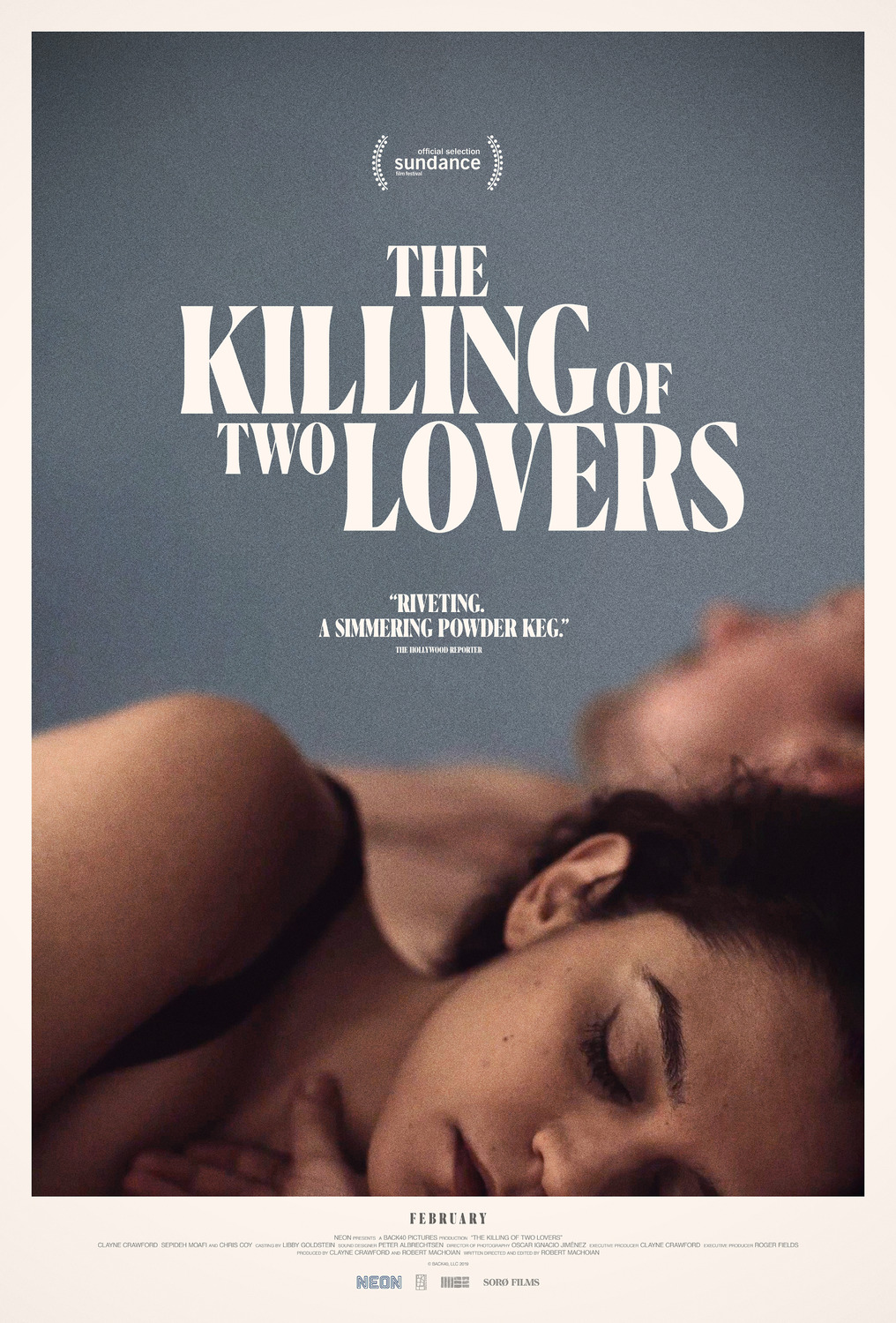
The Killing of Two Lovers

The landscape of this film fortified the story. I had to look up the location; it was filmed in the small town of Kanosh, Utah. Using this locale reminded me of the backdrops and scenery used in Nomadland. Connecting the setting with the story worked so well in both films. Add to that stellar acting, strong performances by everyone and it’s worth watching.

The title is misleading – I’m not sure anyone was killed, unless it was the relationship? I’m reluctant to give the film that much credit since the dialog is often lacking and parts of the storyline were unclear to me. As I do so frequently with most films I watch – I have questions. (they’ll remain unanswered)

It’s a compelling film – once you start watching you must finish. It won’t let you leave.

Plan B

Teen films are so adolescent.

Things I liked about this film:

  1. Directed by a woman
  2. Features two female main characters and they are both women of color.
  3. Does not degrade or shame female sexuality.
  4. Highlights the difficulty young women have accessing sexual healthcare and birth control.
  5. Features an LGBTQ+ main character (although we don’t find out right away)
  6. Honest portrayal of the challenges to growing up gay in America – still today, 2021.
  7. Some scenes in the film were taped near where I live.
  8. Rachel Dratch cast as the worst sex ed teacher ever.

Things I did NOT like about this film:

  1. Teenagers everywhere.
  2. A disgusting and unbelievable blow job scene in a school playground. WHY? Just for the joke at the end? WHY?

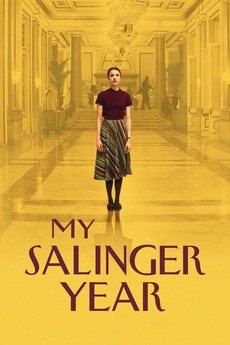
My Salinger Year

I reviewed this on Letterboxd – here’s more.

The fawning over Catcher in the Rye baffles me – in real life and in this film. Why so many high school students were forced to read this piece of toxic masculinity is a question I can only answer by pointing to the current and past state of our education system and really our entire patriarchal culture. Franny and Zooey is to fawn over. Holden Caulfield was a disgusting asshole. Period.

The movie had dulled tones of the Devil Wears Prada. But there was something about the main character’s job that I would have loved, so I stuck with it. She works for a literary agency, even though she fancies herself a writer, and at the agency she reads mail sent to J.D. Salinger – who was referred to repeatedly as a recluse. Her boss, played by Sigourney Weaver, modeled after Amanda Priestly from Devil Wears… represents Salinger and she’s as quirky and offsetting as Salinger himself.

There’s lots of dumb jokes about technology, lots of fans who can not say enough good things about Catcher in the… and a main character who in fact has never read Salinger. What school did she go to? It’s 1995 and there’s an adult living in the U.S. who was not forced to read that book of crap?

I wasn’t bored. I was a bit sucked in. But it was a pretty MEH sort of film.

One positive note, and almost a reason to watch this film is that Seána Kerslake is in it – not enough screen time for her though. She’s also in a truly amazing film, A Date for Mad Mary. Watch that instead.

Daphne

https://letterboxd.com/film/daphne-2017/

The first film I watched in this year. 2022

Daphne is a young 30ish independent woman living in London, working in a restaurant. She’d like to move up to sous chef, her boss likes her, shares special foods with her, teases her, pushes some boundaries which Daphne seems to just barely maintain.

Daphne is edgy. She’d scare a lot of men. She drinks, she openly asks for sex which she does not appear to enjoy but becomes a participant in the “act” – tossing a condom about, asking for a wet wipe, tolerating the men she joins, she invites home, she finagles a way into their houses and yet we know as we watch this is not really what she wants.

Then one night, it’s late, she’s heading home, stops in a bodega and while she’s there a crazy man, a robber maybe, with a knife, not only threatens the cashier but stabs him. Daphne is standing by, watching the assault, calls 911 (or whatever they have in London), holds the mans hand as he bleeds and begs for a photo of his family.

Then life goes on. Back to work. Back to interacting with her mother, who we find out has cancer and is maybe getting some sort of treatment for it but Daphne basically shits on her mom. Daphne is just this side of mean, just this side of pushing everyone away. And of course, people are attracted to her despite her dysfunction, her alcohol abuse, her drug use, her fucking up at work. Because, just that’s what we all thing that sort of behavior elicits – interest, kindness, a mother who brings gifts, a boss who forgives.

We, all of us watching this, think the assault, the stabbing is a changing moment in her life, Daphne can’t just go on the same as always after having been eye-witness to this attack. But she does. She pushes everyone away, as usual. She is crude, irresponsible, as usual. She doesn’t answer the phone, listening to voice mail, be kind, be polite, as usual. She is the same old Daphne.

In the final moments she shows up at an event her mother has invited her to. A meditative, church-like occasion. Surprising her mother, pleasing her mother. She does what we don’t expect.

I’m only covering parts of this story, this film, plods along, predictable in its edginess. The view tries to figure out who this woman is. Daphne. Not sure we are ever allowed to really figure it out. OR. We know from beginning to end just who she is.